Recover, re-sheet or replace: choosing the right fix for an industrial roof
Compare what each option keeps and replaces, then use the survey findings to decide which scope suits your building.

A leaking industrial roof may need a local repair, a new covering or more extensive refurbishment. The right scope depends on the condition of the covering and structure, the roof build-up and what happens inside the building. Before comparing prices, establish what each contractor proposes to retain, remove and replace.
First, check whether a repair is enough
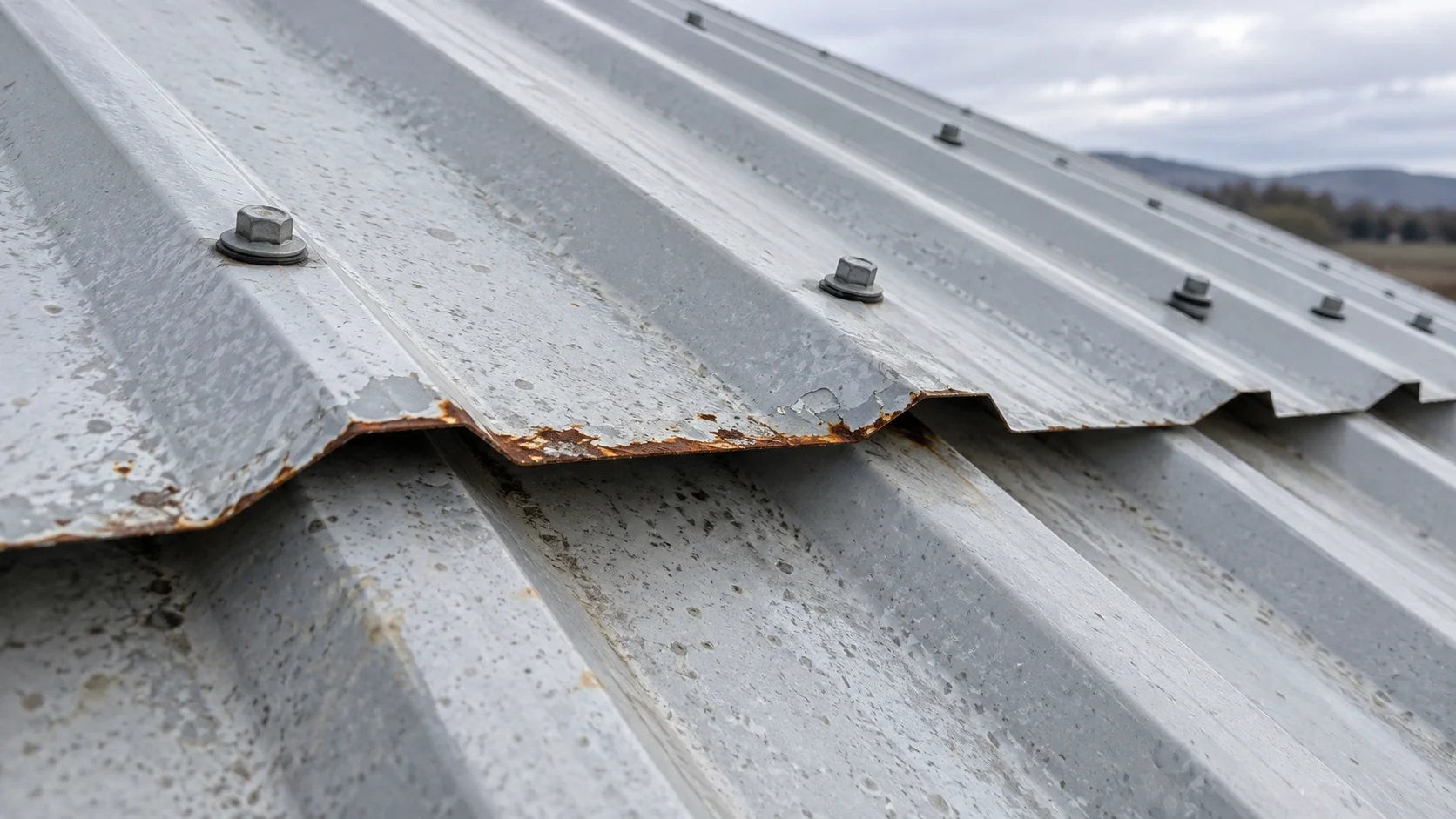
A failed flashing, damaged rooflight or isolated fixing problem does not automatically justify replacing the whole roof. Ask whether the defect is local or part of wider deterioration. A repair needs to address the cause, with the remaining roof condition taken into account, rather than simply covering the visible leak.
Recovering: keeping the existing covering
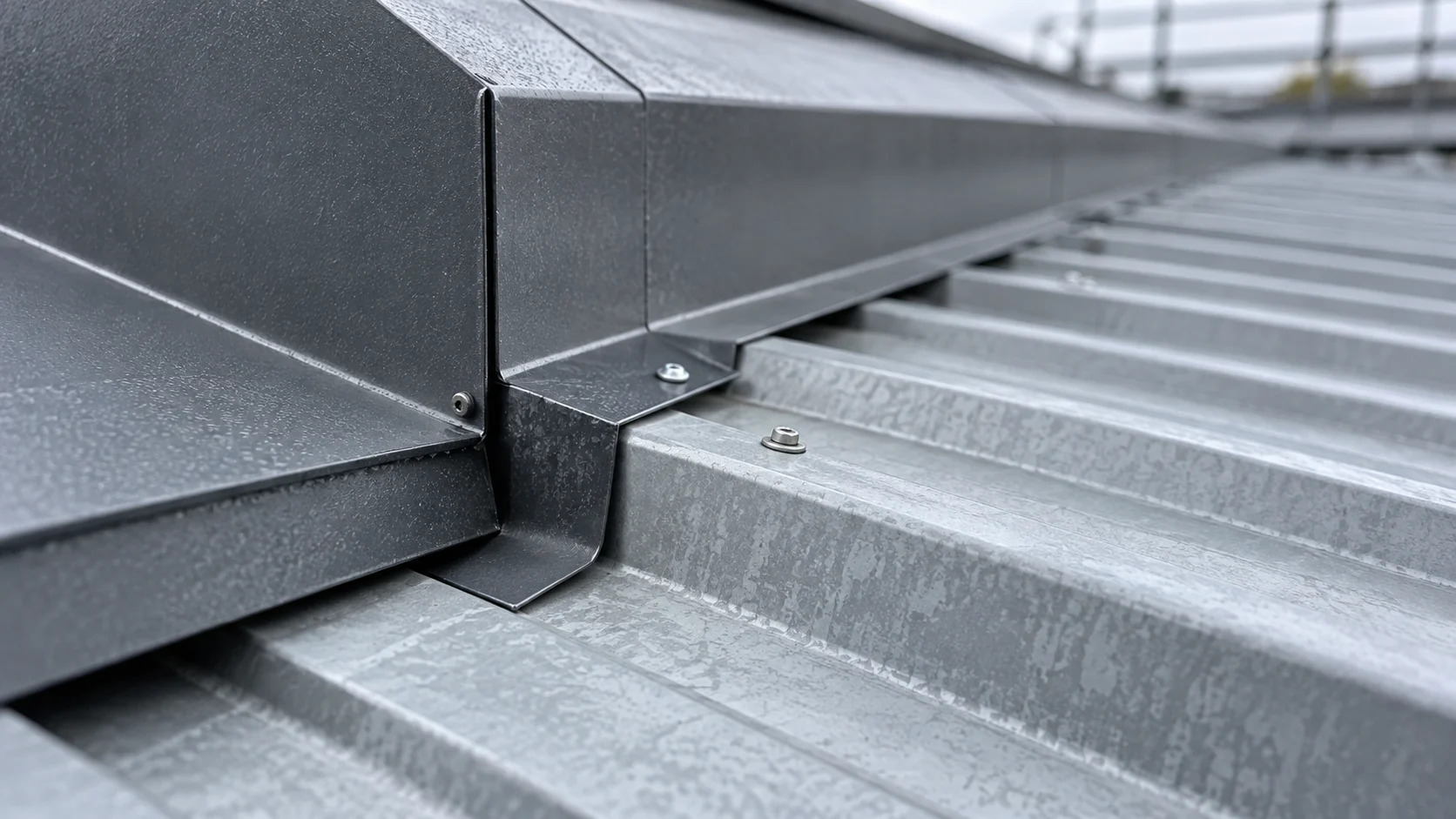
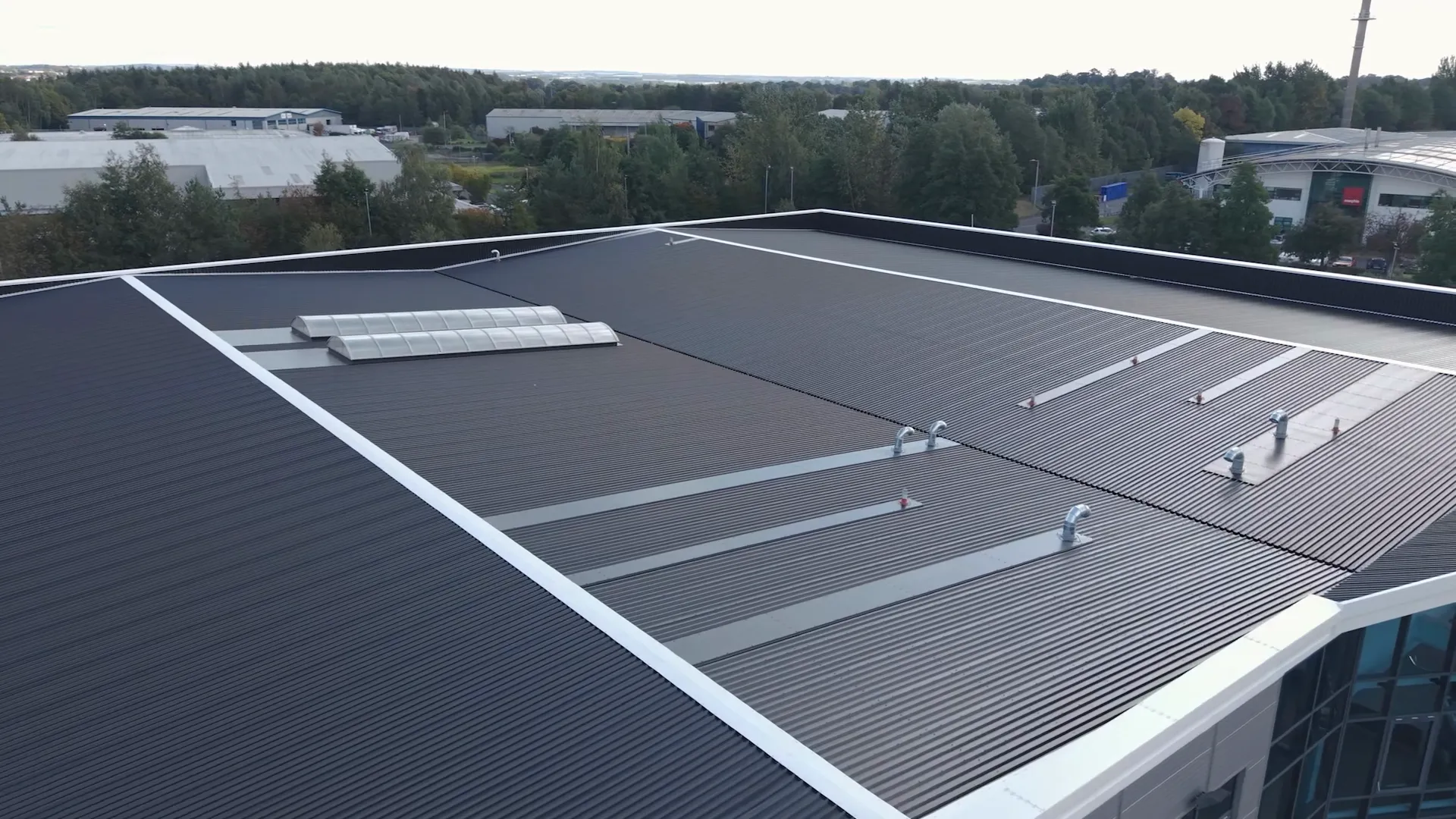
Recovering adds a new system over an existing roof. On a profiled industrial roof, overcladding can involve a new metal covering supported by a designed fixing system. A flat-roof overlay uses a suitable waterproofing system over an assessed existing build-up.
These are different constructions, not interchangeable treatments. Retaining the covering can reduce strip-out and waste, but it is only suitable if the retained materials, structure and new design work together. Moisture trapped in the old build-up, unsuitable fixings or hidden deterioration may rule it out or require remedial work.
Re-sheeting: replacing the sheets
Re-sheeting usually means removing existing roof sheets and installing new ones on a retained supporting structure. It is a type of roof replacement, rather than a completely separate category.
The term alone does not tell you whether insulation, liner sheets, rooflights, flashings or gutters are included. Have those items listed explicitly. The work may expose parts of the structure for inspection, but any repair or strengthening still needs assessment and an agreed scope.
Wider replacement: changing more of the build-up
A broader roof replacement may replace the covering together with insulation, liners and associated details. That can make sense where several parts have failed or the building needs a different level of performance.
Replacing a roof does not necessarily mean replacing its frame. Structural defects must be assessed separately and any repair or strengthening designed and priced. Equally, a new covering alone will not solve condensation caused by an unsuitable roof build-up or the conditions inside the building.
What should decide the scope?
- Covering condition: Are defects isolated or widespread? Is there enough sound material to retain?
- Structure and fixings: Can the frame and purlins, which support the roof sheets, carry the proposed system and loads? Is an engineer's assessment required?
- Moisture and insulation: What is already present, is it dry and serviceable, and what performance must the new build-up achieve?
- Asbestos: What do the records and appropriate surveys establish before disturbance?
- Building use: What stock, equipment or people need protection, and when can affected areas be closed?
Compare costs and disruption on the same basis
There is no reliable price order based on the labels alone. Access, waste disposal, structural repairs and work around an occupied building can change the comparison. Recovering may reduce removal work, but retained materials can bring future maintenance or disposal responsibilities.
Ask each quote to set out the roof system, retained materials, insulation, drainage details, access, weather protection and exclusions. Include any temporary shutdowns and further investigations. A lower total is only useful when you understand what it leaves out.
Ask Elite Roofing Scotland to discuss the options for your roof. Bring the survey findings, known defects and operating constraints so the conversation starts with the building's needs and a scope you can compare.
Explore more insights
Contact our Experts.
From businesses to homes, we build roofs that endure, combining durability with refined craftsmanship.